
Turn any photo into a printable Perler bead pattern in seconds, or design your own from a blank grid. Match colors to Perler, Hama, Artkal, or MARD, edit freely, and export a print-ready PDF or PNG — free, no sign-up.
How do you want to start?
- Pricing
- 100% free
- Sign-up
- Not required
- Image processing
- In your browser
- Last reviewed
- 2026-08-01
Perler Bead
Pattern Maker
What Will Your Image Look Like in Fuse Beads?
Drag the slider to compare the original image with a realistic preview of the finished fuse-bead artwork, including its simplified colors, bead grid, and physical texture.
Move the divider to inspect the circular bead holes and color blocks. The finished look will vary with grid size, palette, bead brand, and ironing.


Create beyond the browser tab
Take Pixel Beads Art with you
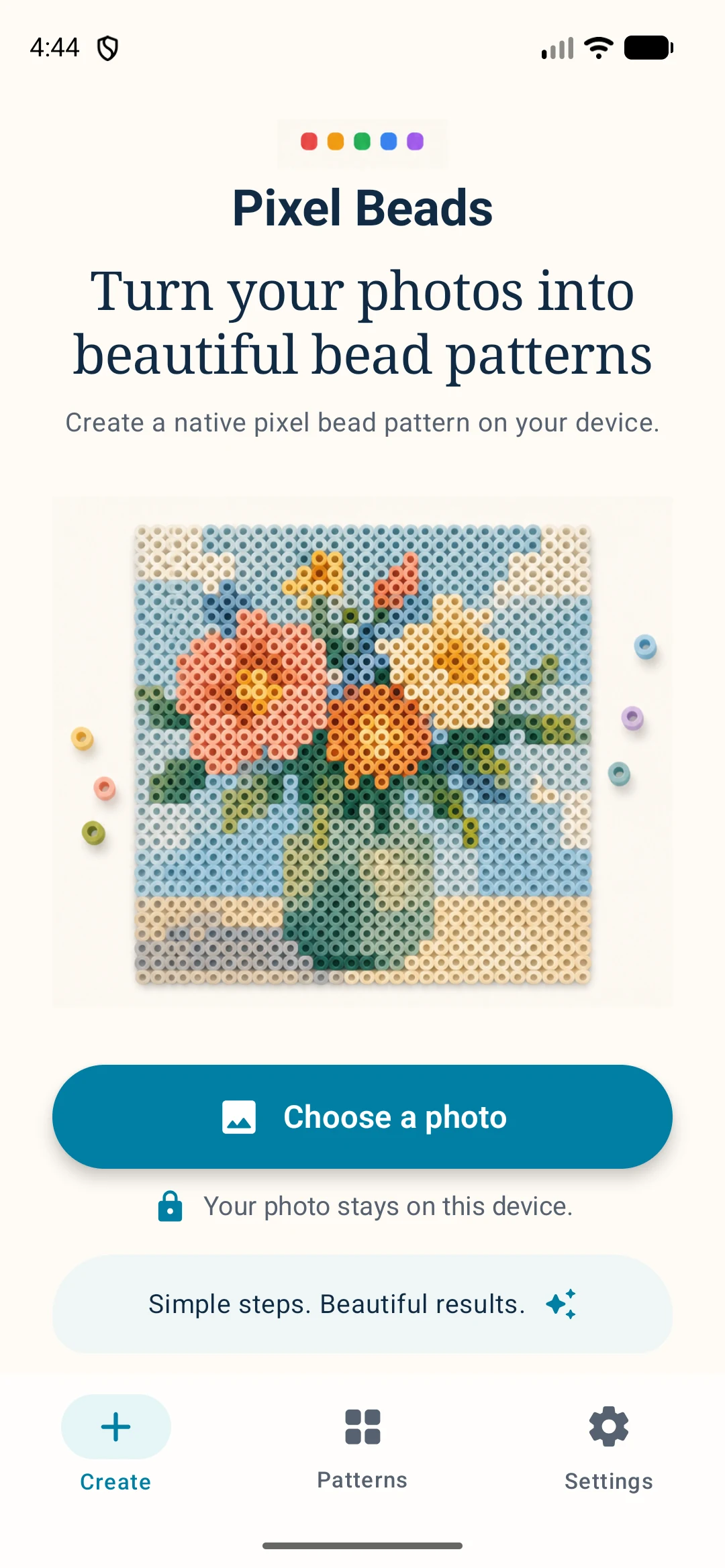
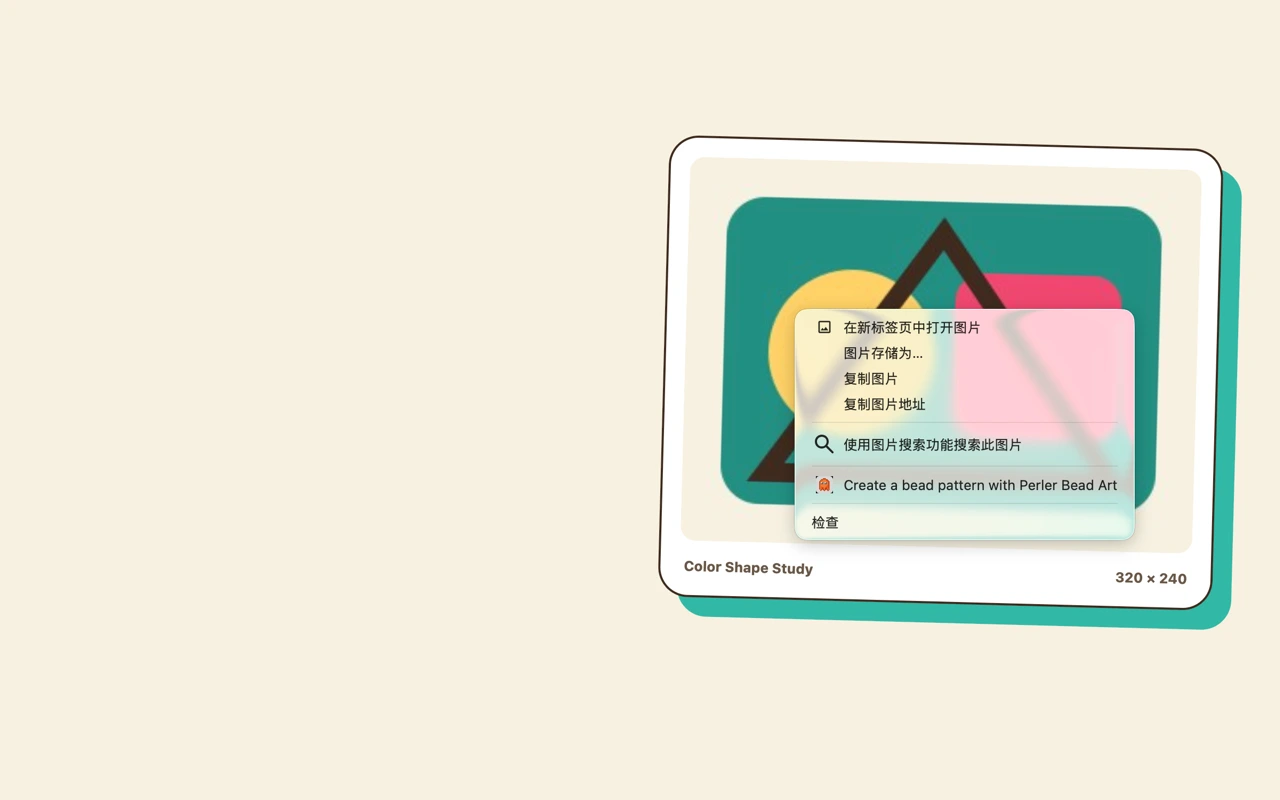
Import images faster with Chrome, create offline on Android, and follow the iOS launch from one clear app center.
Which Perler Bead Patterns Can You Try?
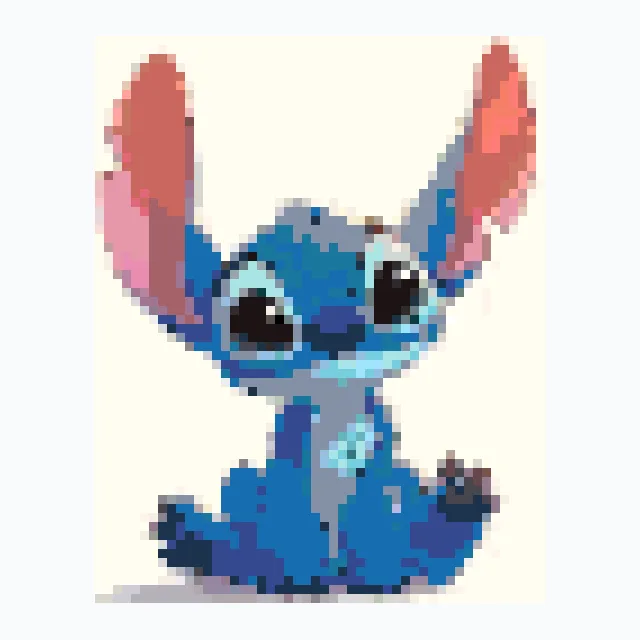
Explore some of the most popular designs created by our community. Start your next project with just a click.

How Do You Make a Perler Bead Pattern from Start to Finish?
Follow the five practical stages below to choose compatible beads, refine colors, print the pattern, fuse the piece, and frame the finished artwork.
1. Perler Bead Selection
Choose one bead brand and size before you begin because color codes, pegboard spacing, and fusing behavior vary.
I. Common Perler Bead Brands
II. Sizes: 5mm vs 2.6mm
- 5mm Beads
- Best forKids, Beginners, TeachingWhat to knowLarge, easy to handle, high tolerance
- 2.6mm Beads
- Best forExperienced crafters, detailed display piecesWhat to knowHigh pixel density, rich detail, realistic style
| Size | Best for | What to know |
|---|---|---|
| 5mm Beads | Kids, Beginners, Teaching | Large, easy to handle, high tolerance |
| 2.6mm Beads | Experienced crafters, detailed display pieces | High pixel density, rich detail, realistic style |
III. Colors: 72 vs 168 Colors
IV. Quick Selection Guide
Selection FAQ
- Q:Can I mix different brands of perler beads?
Not recommended. Brands differ in color codes, material texture, and shrinkage rates during ironing. Mixing them can lead to inconsistent colors or warping. For best results, use the same brand for a single project.
- Q:Can 5mm and 2.6mm beads be used on the same pegboard?
No. They are completely different sizes and require pegboards with different hole spacings. Mixing sizes will result in loose beads and failed ironing.
- Q:Should beginners start with 5mm or 2.6mm beads?
5mm is recommended. The larger size is easier to handle and builds confidence. 2.6mm beads require more precision and patience, better suited for users aged 16+ or with some experience.
- Q:Is there a big difference between 72 and 168 colors? Do I need 168 right away?
The difference lies in detail. 72 colors are sufficient for most basic patterns and practice. 168 colors provide smoother gradients and skin tones. Beginners can start with 72 and upgrade to 168 as they master the craft.
2. Perler Bead Coloring
I. Automatic Color Matching with Pixel-Beads Pattern Generator
After uploading an image and generating a bead pattern, the system automatically matches the closest bead colors based on the selected bead size and color count.
Automatic coloring works best for:
- Images with clear color contrast
- Cartoon and pixel art patterns
- Simple structures or images with clear subjects
Automatic coloring can quickly complete most color assignments and is the first step in creating bead patterns.
II. Handling Unwanted Colors or Poor Color Matching
For portrait photos, complex backgrounds, or gradient areas, automatic coloring may result in:
- Scattered unwanted colors
- Inconsistent local colors
- Unnatural individual pixel colors
In such cases, it's recommended to use manual tools to repair and optimize the pattern.
III. Left Toolbar: Common Color Repair Tools
IV. Right Color Palette and Color Selection
The right palette displays currently available bead colors:
When coloring, it's recommended to prioritize using colors already in the pattern rather than frequently adding new colors.
V. Practical Coloring Tips
Coloring FAQ
- Q:Why not upload overly large images?
You do not need to shrink a clear source photo to a few hundred pixels. Pattern complexity and bead count are controlled mainly by the output grid width you choose, while a clear subject and simple background help the conversion.
- Q:What is the recommended image size for upload?
Use a clear JPG, PNG, or WebP image within the 10 MB upload limit. Choose the finished bead-grid width in the generator—the grid, not the photo's original pixel dimensions, determines the number of beads and level of detail.
- Q:Are there requirements for image aspect ratio?
Image aspect ratio is unlimited, but it's recommended to be close to the final product ratio. Appropriately crop the subject before uploading to avoid too much irrelevant background, which helps generate better bead patterns.
- Q:What image size is suitable for 5mm beads?
Choose the grid width from the physical size you want. With 5 mm beads, a pattern 52 beads wide is about 26 cm before allowing for small brand and fusing differences.
- Q:What image size is suitable for 2.6mm beads?
Mini 2.6 mm beads can fit more grid cells into the same physical width. Select a larger grid only when you want the extra detail and are prepared for the higher bead count; the source photo itself does not need a specific pixel size.
3. Perler Bead Printing
Confirm Pattern Scale
Choose Printing Method
Using Blueprint for Bead Placement
Step-by-Step Checking
Save Digital Pattern Backup
Printing FAQ
- Q:Why print a bead blueprint?
Blueprints serve as reference to ensure accurate colors, pixels, and patterns, especially for complex works.
- Q:What to check before printing a blueprint?
Check if pattern scale matches final product; use 300 DPI high-definition printing for clear pixels; choose appropriate printing method based on paper size.
- Q:What if print scale is incorrect?
Check print settings, ensure 'Actual Size' or scale proportionally; print a test sample first to confirm scale.
- Q:What if colors don't match beads exactly?
Use blueprint as color reference, combine with canvas tools (brush, eraser, color picker) to repair; prioritize using existing bead colors, avoid adding colors that can't be purchased.
- Q:Common printing mistakes and suggestions
Pattern scale error → Adjust print settings; Paper too small → Split printing; Bead placement order confusion → Large areas first, then details; Blueprint damage → Keep digital backup.
4. Perler Bead Ironing
Bead Ironing Characteristics
How Heat Fuses the Beads
Tool Selection
Choosing Ironing Paper or Film
Basic and Advanced Methods
Cooling and Completion
Ironing FAQ
5. Perler Bead Framing
I. Protection Principles
II. Choosing a Frame
III. Mounting Methods
Framing FAQ
- Q:Do I need a custom-made frame?
No. Standard '5cm depth display boxes' are widely available and cost-effective.
- Q:Can I stick it directly on the wall?
Yes, blue tack or foam tape works well, but it might accumulate dust over time.
Sources & Provenance
Which Sources Support This Perler Bead Guide?
Our tutorial combines hands-on PixelBeads testing with official manufacturer guidance. Safety and fusing recommendations link to the original sources so you can verify them.
“An adult should do the fusing.”
How We Review This Guide
The PixelBeads editorial team checks the workflow against the live generator, bead-brand references, and the linked manufacturer instructions. We update the review date when the guidance changes.
- Reviewed by
- PixelBeads editorial team
- Last reviewed
Ready to Create Your Bead Pattern?
How do you want to start?
No account required • Instant Export • 100% Free